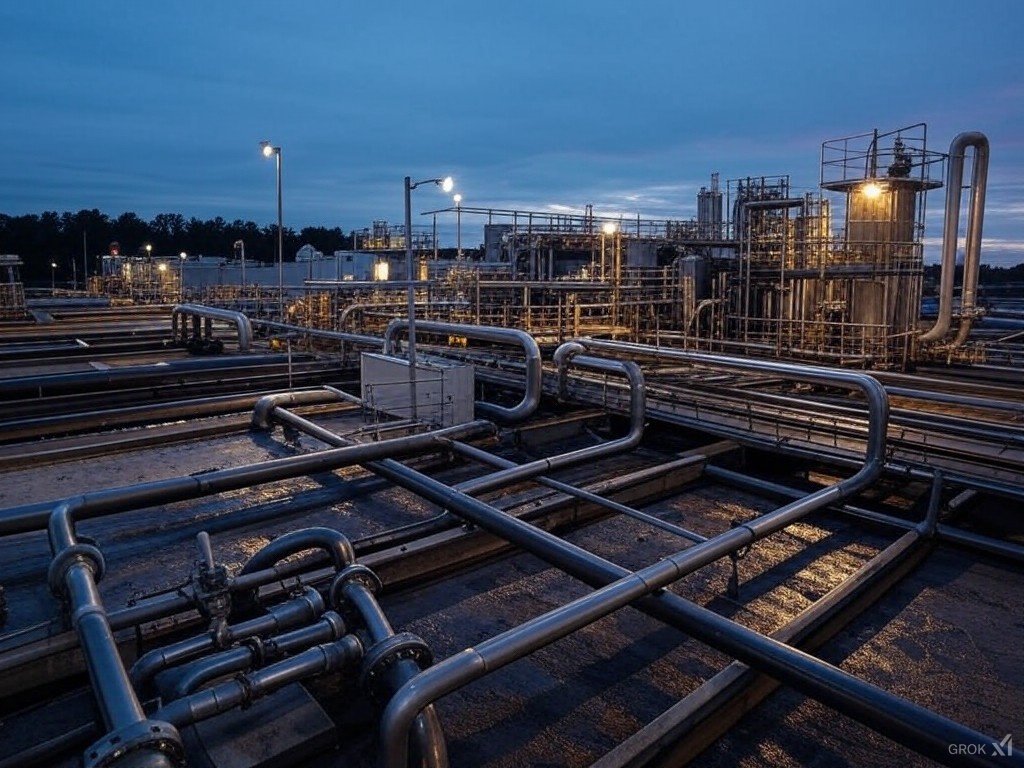
IDEM enforces wastewater regulations to protect Indiana’s water resources. Businesses must comply with permitting, monitoring, and reporting requirements to avoid violations and maintain environmental integrity.
1. Understanding IDEM’s Wastewater Regulations
IDEM regulates wastewater discharge through the National Pollutant Discharge Elimination System (NPDES) permit program. Businesses must adhere to specific pollutant limits and reporting requirements.
Key Compliance Areas:
- Obtaining the correct NPDES permit for wastewater discharge.
- Ensuring compliance with effluent limitations set by IDEM.
- Submitting regular Self-Monitoring Reports (SMRs) and Monthly Monitoring Reports (MMRs).
2. Common Compliance Challenges
Many businesses struggle with maintaining compliance due to a lack of proper record-keeping, outdated treatment systems, or misinterpretation of regulations.
How to Stay Compliant:
- Regularly review permit requirements and update processes as necessary.
- Conduct frequent internal audits to identify potential issues.
- Maintain proper documentation for all wastewater treatment and discharge activities.
3. Preparing for an IDEM Inspection
IDEM conducts routine inspections to ensure facilities comply with wastewater discharge permits. Unprepared businesses may face penalties.
Best Practices for Inspections:
- Keep all required documentation organized and easily accessible.
- Ensure wastewater treatment systems are properly maintained and operational.
- Train employees on compliance requirements and emergency response procedures.
4. Consequences of Non-Compliance
Businesses that fail to comply with IDEM regulations may face significant fines, legal action, or operational shutdowns.
Potential Risks:
- Fines for exceeding pollutant discharge limits.
- Increased scrutiny and frequent inspections.
- Reputation damage and potential loss of operating permits.
5. Seeking Professional Compliance Assistance
Businesses struggling with compliance should consider consulting with wastewater regulatory experts to avoid costly violations.
How Experts Can Help:
- Conducting compliance audits and risk assessments.
- Providing guidance on permit applications and renewals.
- Offering employee training on wastewater treatment and reporting best practices.
Conclusion
Understanding and complying with IDEM’s wastewater regulations is crucial for Indiana businesses. By staying informed, keeping accurate records, and proactively addressing compliance challenges, businesses can avoid fines and maintain operational integrity.